U-NEXT Atomic 2.0 is the foundational design system powering Japan's largest streaming platform across Web, iOS, and Android. This project involved designing and scaling a component library, establishing DesignOps processes, and building the infrastructure that lets the U-NEXT design team move fast without breaking consistency.
Design debt across four platforms
With Web, iOS, Android, and TV each operating from separate, inconsistent component libraries, every new feature required redundant design work and endless back-and-forth with engineering. The lack of a unified system was creating design debt faster than teams could pay it down. I saw the opportunity to initiate a migration that could fix this at the root.
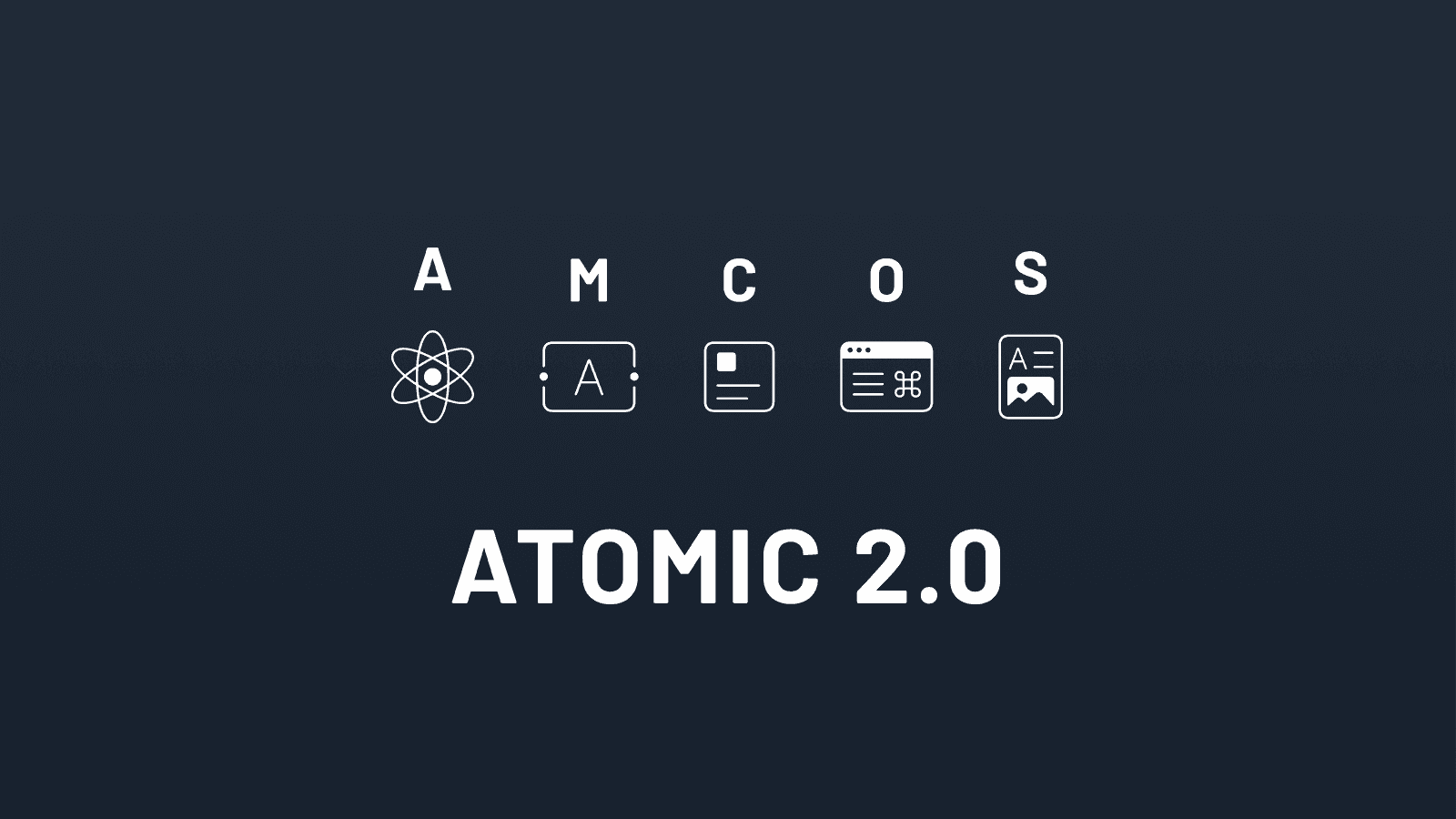
Audit, build, govern
Applied a structured DesignOps framework in three layers: Audit & Inventory — cataloguing all components across Figma files for all four platforms. System Definition in Atomic 2.0 — migrating core style assets, building atoms, molecules, and organisms with full documentation. Ops & Governance — setting up Figma libraries, version control, branching workflows, and contribution guidelines.
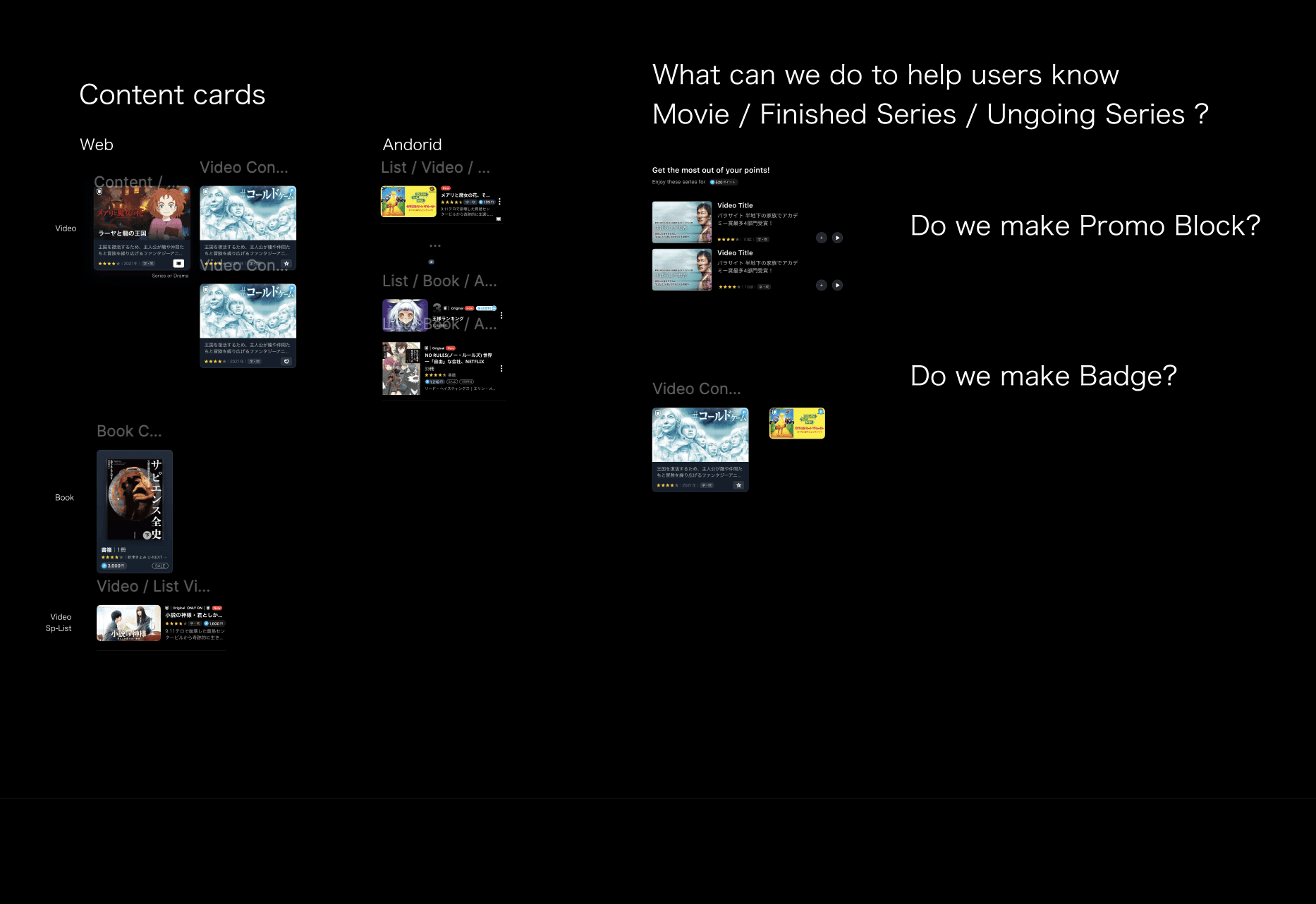
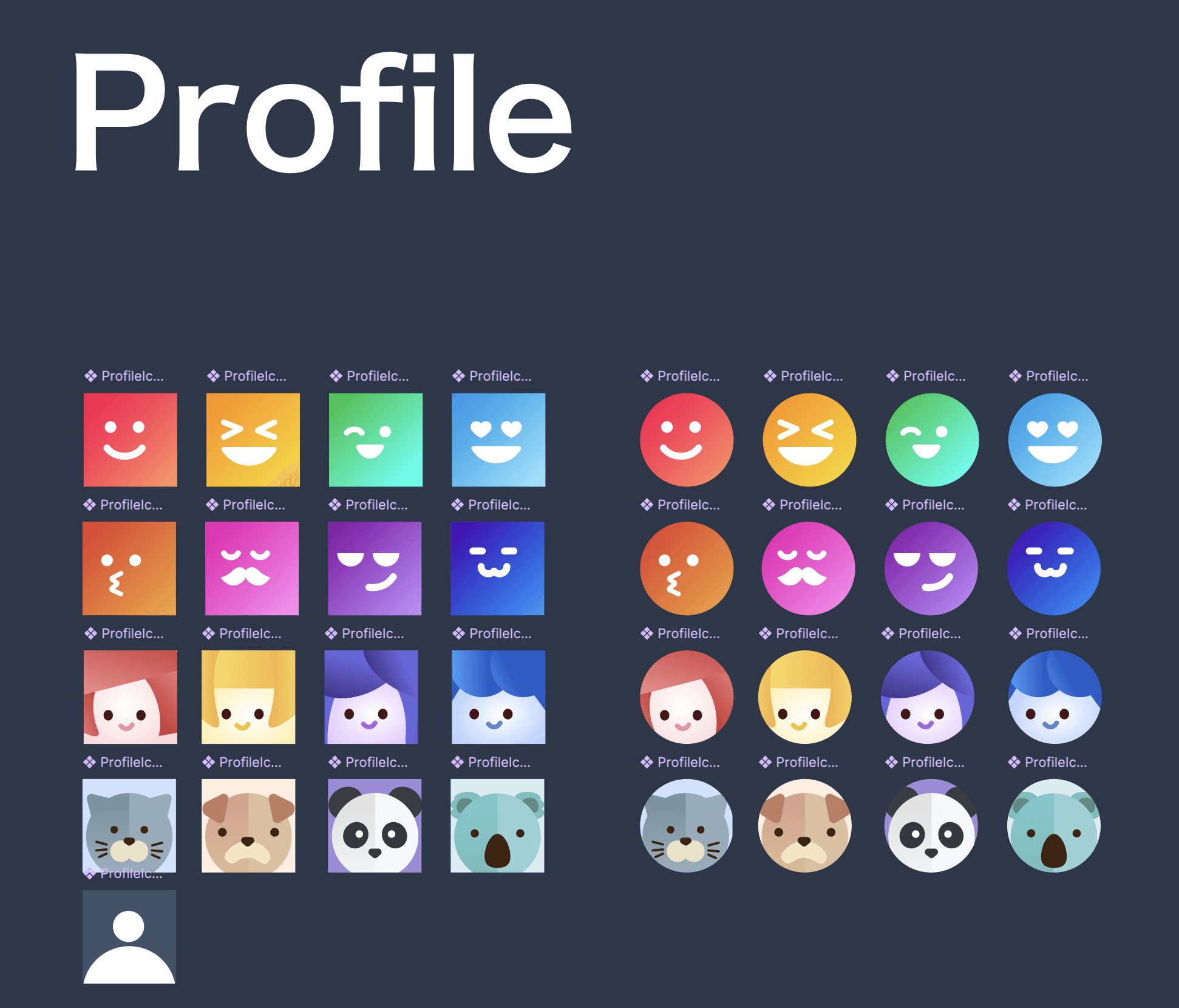
Cross-platform design system shipped
Delivered a unified Atomic 2.0 system adopted across Web, iOS, and Android. Measurably reduced design-to-dev handoff friction. Established consistent UI patterns that scaled naturally with new feature work. Shifted team culture toward treating design systems as a shared investment rather than a constraint.
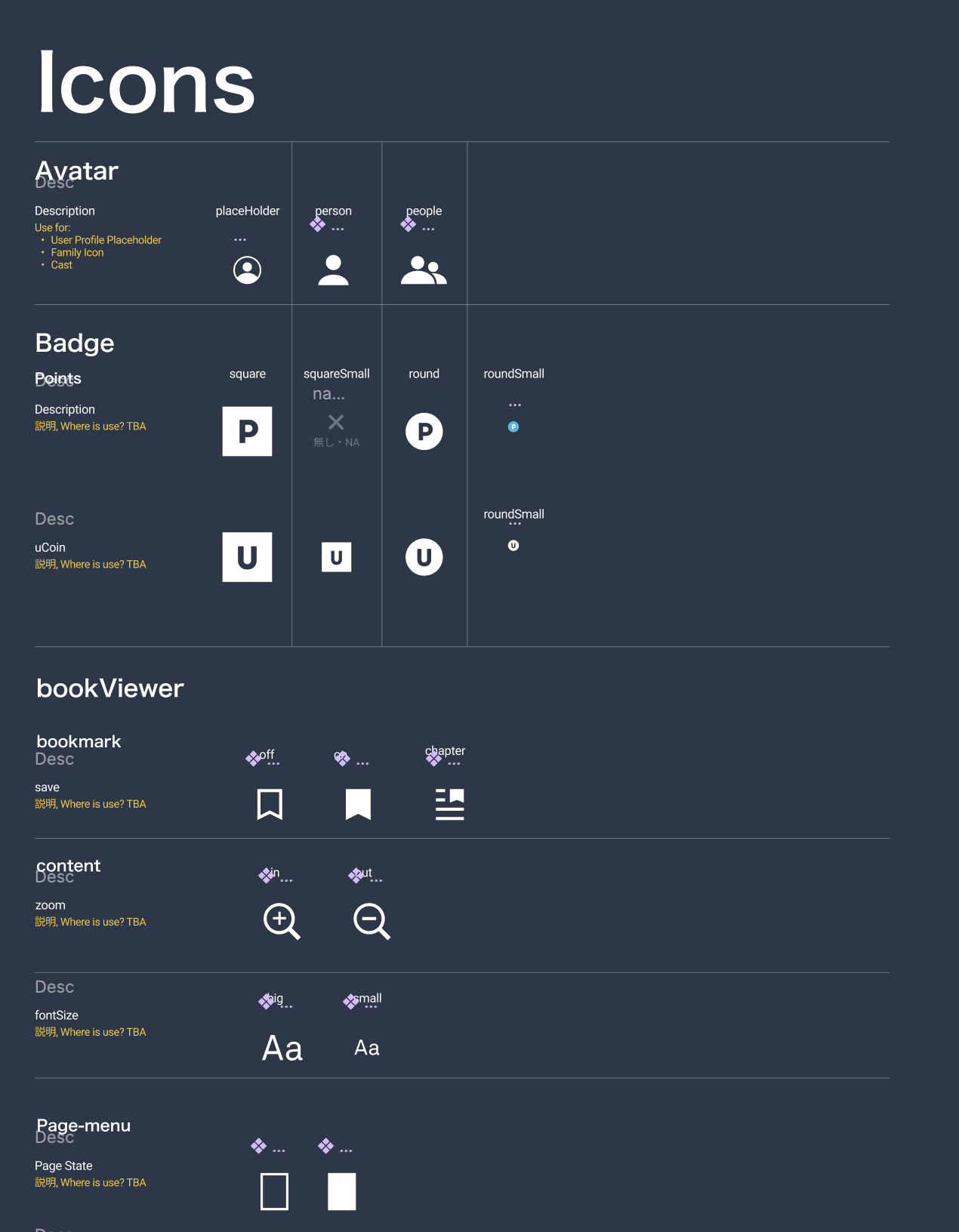
Not every designer embraces systems at first — resistance is real and it's personal. I learned that knowledge sharing and visible side-by-side comparisons build credibility faster than mandates ever could. Showing the chaos of duplicated components was what changed minds.
Integrating design tokens directly into the engineering codebase — so token updates propagate to production automatically, removing the manual sync that still creates lag between design system changes and what ships to users.