Calliope is an outbound call automation and scheduling platform built for Reccoo, Scoville's parent company. It functions as a CRM connecting corporate clients (like Rakuten) with shinsotsu talent through a managed call center operation. The client sends requirements. The manager builds the lists. The staff makes the calls.
The brief
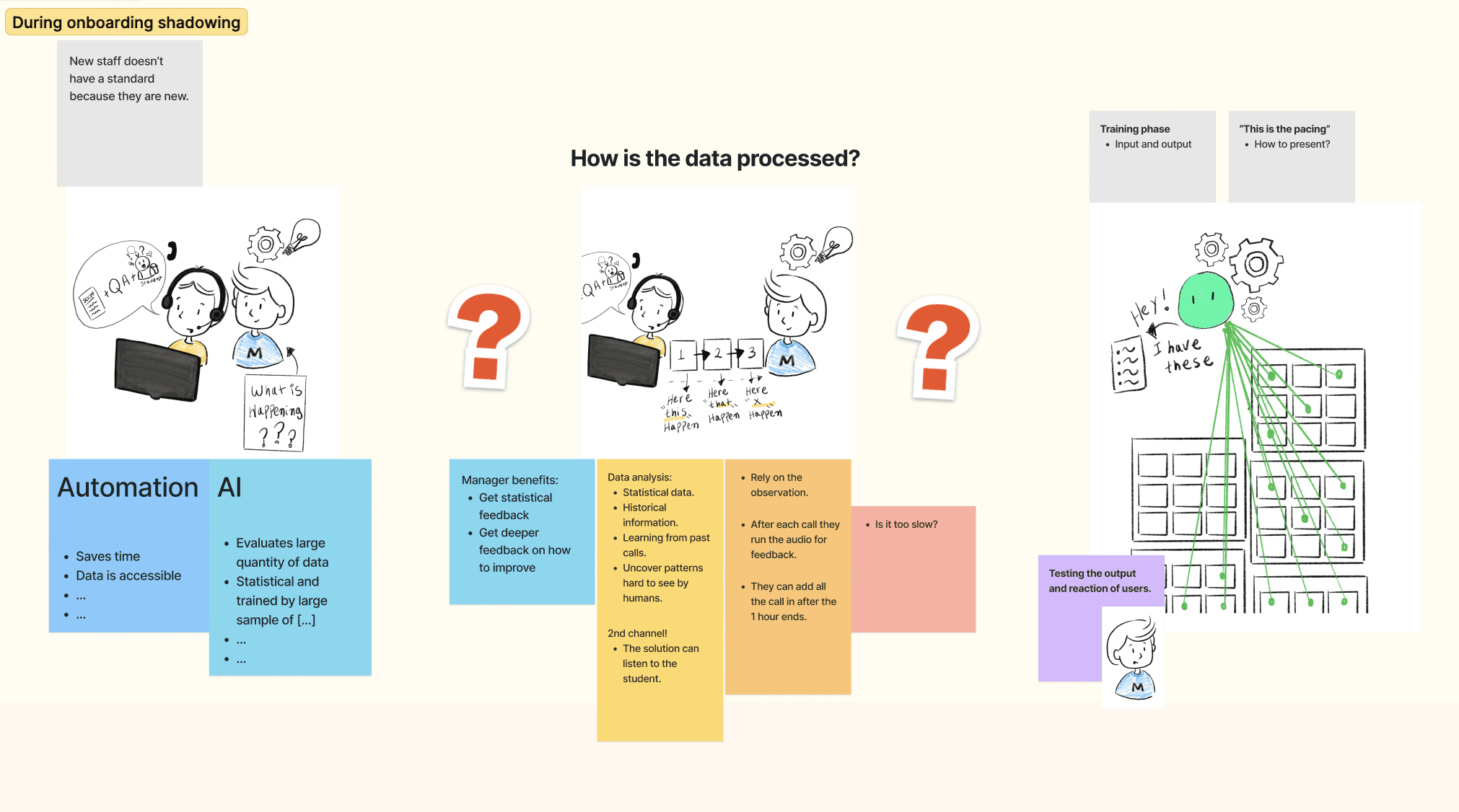
The business hypothesis was straightforward: use AI to coach and onboard call center staff more effectively. The manager wanted his operators to become more digitally capable, able to work complex systems on their own.
I was skeptical. I went to Nagano to find out why.
What we actually found
The call center had around 50 operators, mostly women in their 30s to 60s. Single mothers, part-time workers, people who found the job through Indeed because it was flexible. One manager, Yokosawa-san, working from 7am to 8pm.
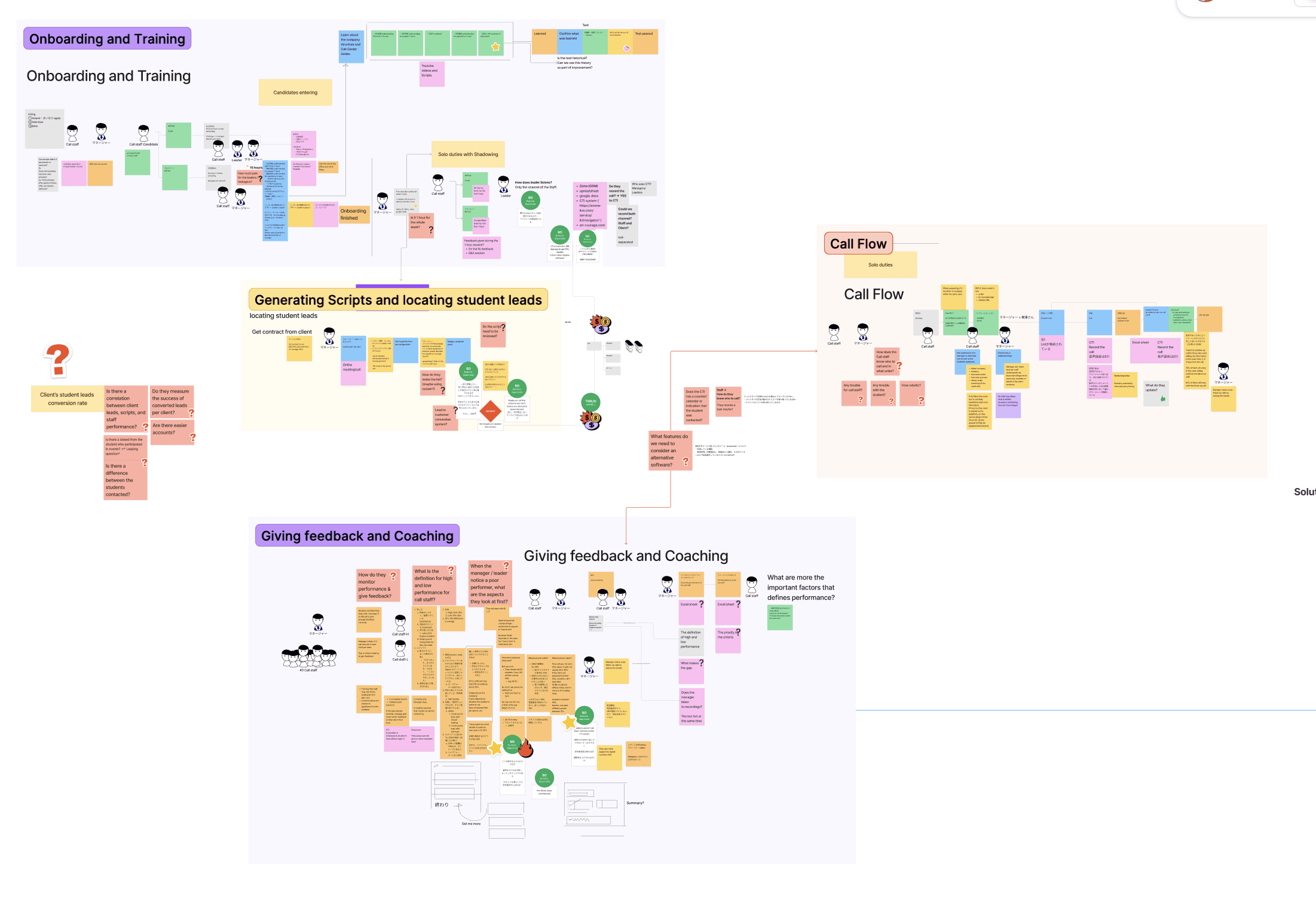
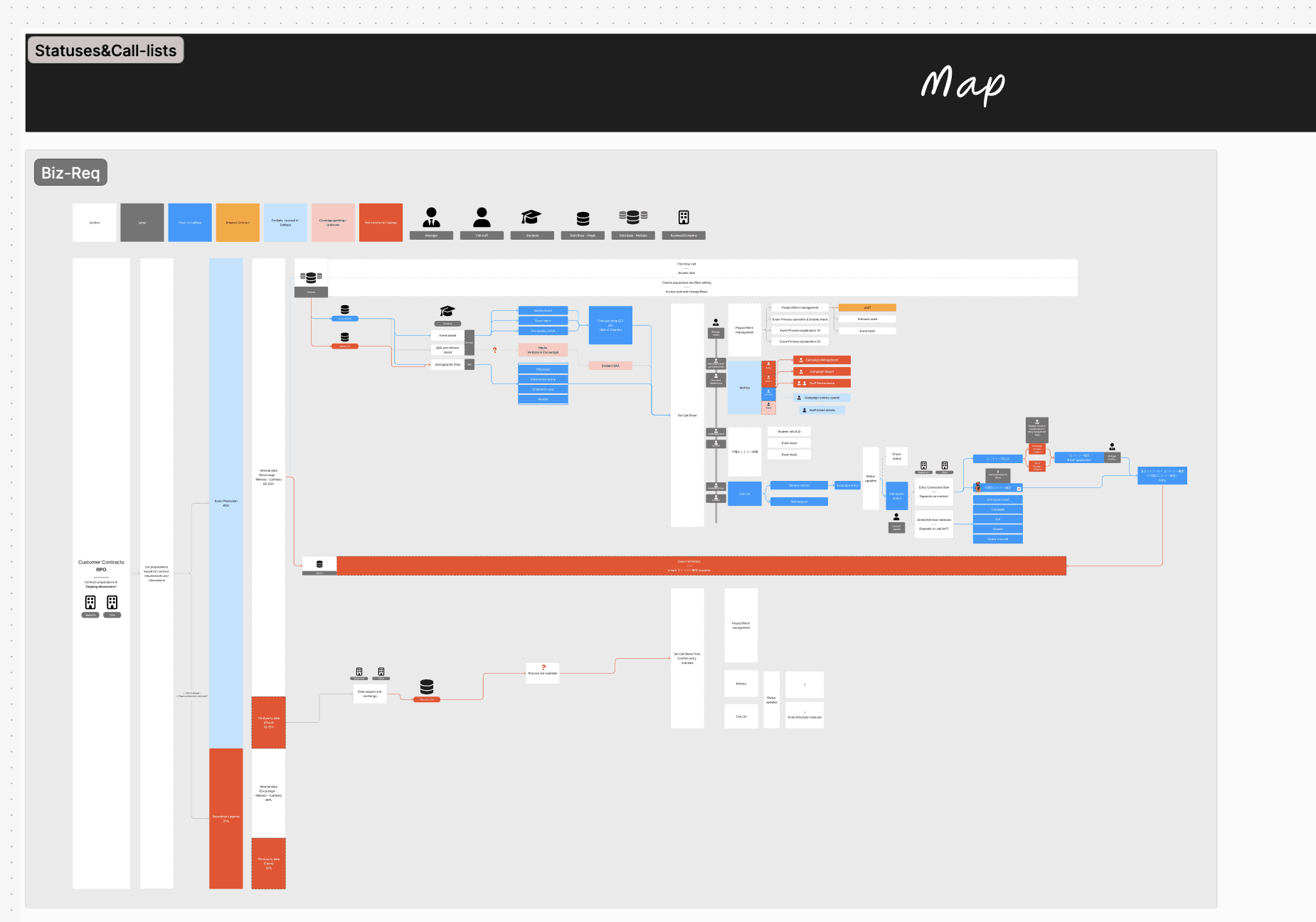
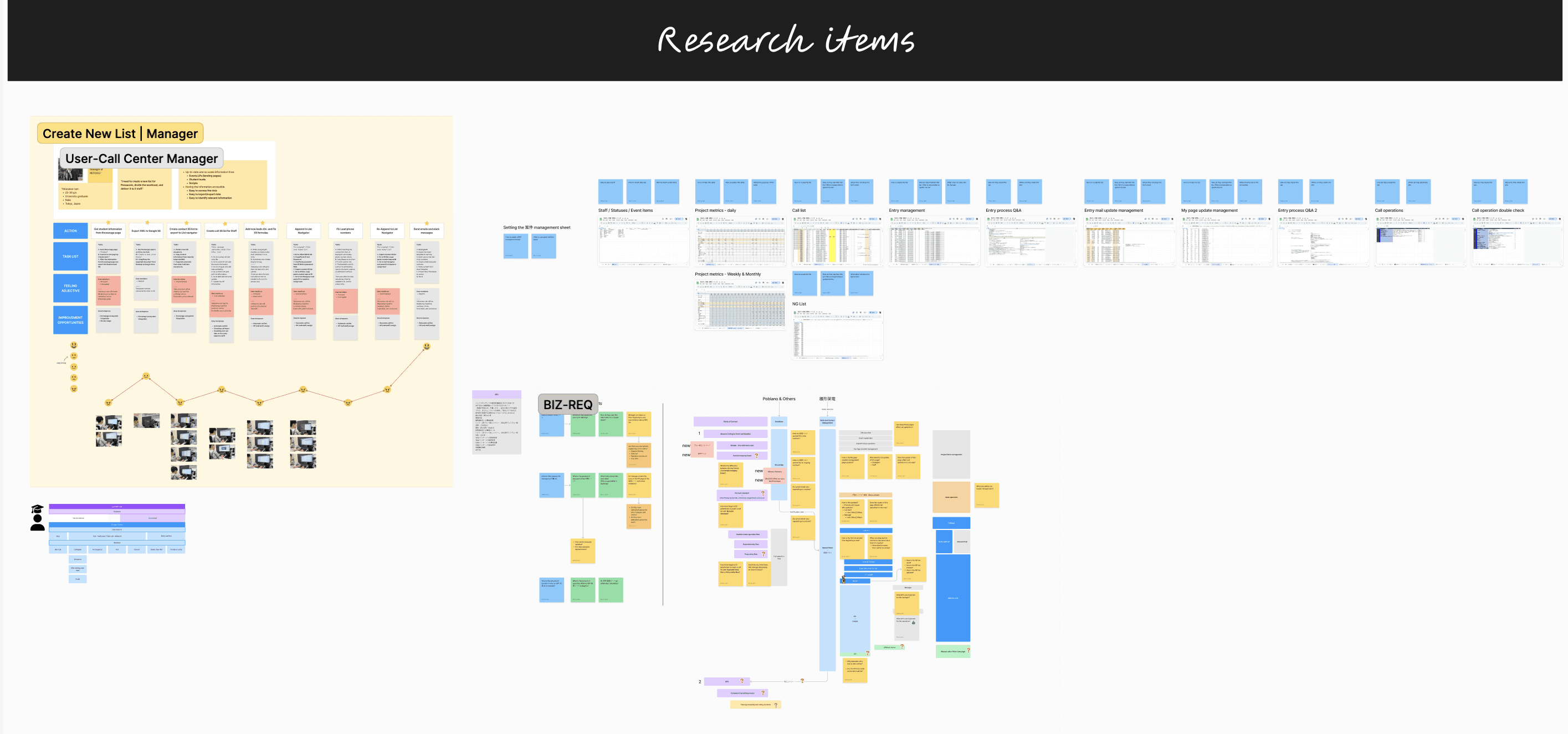
His entire day was spreadsheets. To produce a single call list, he had to export student records from an admin system, import them into a spreadsheet, copy-paste rows from other sheets, manually fix phone number errors, append identifiers by hand, export to the CTI, then message everyone on Slack. By 5pm he had created two new lists and updated six more. He ended his shift around 8pm.
40% of the phone numbers in those lists were wrong. Operators were dialing incorrect numbers or reaching no-answers, while thinking they were working. The manager was the single point of failure for the entire operation. Several staff members could not share their screen on Google Meet. They didn't need AI. They needed a CRM that worked.
The data behind the reframe
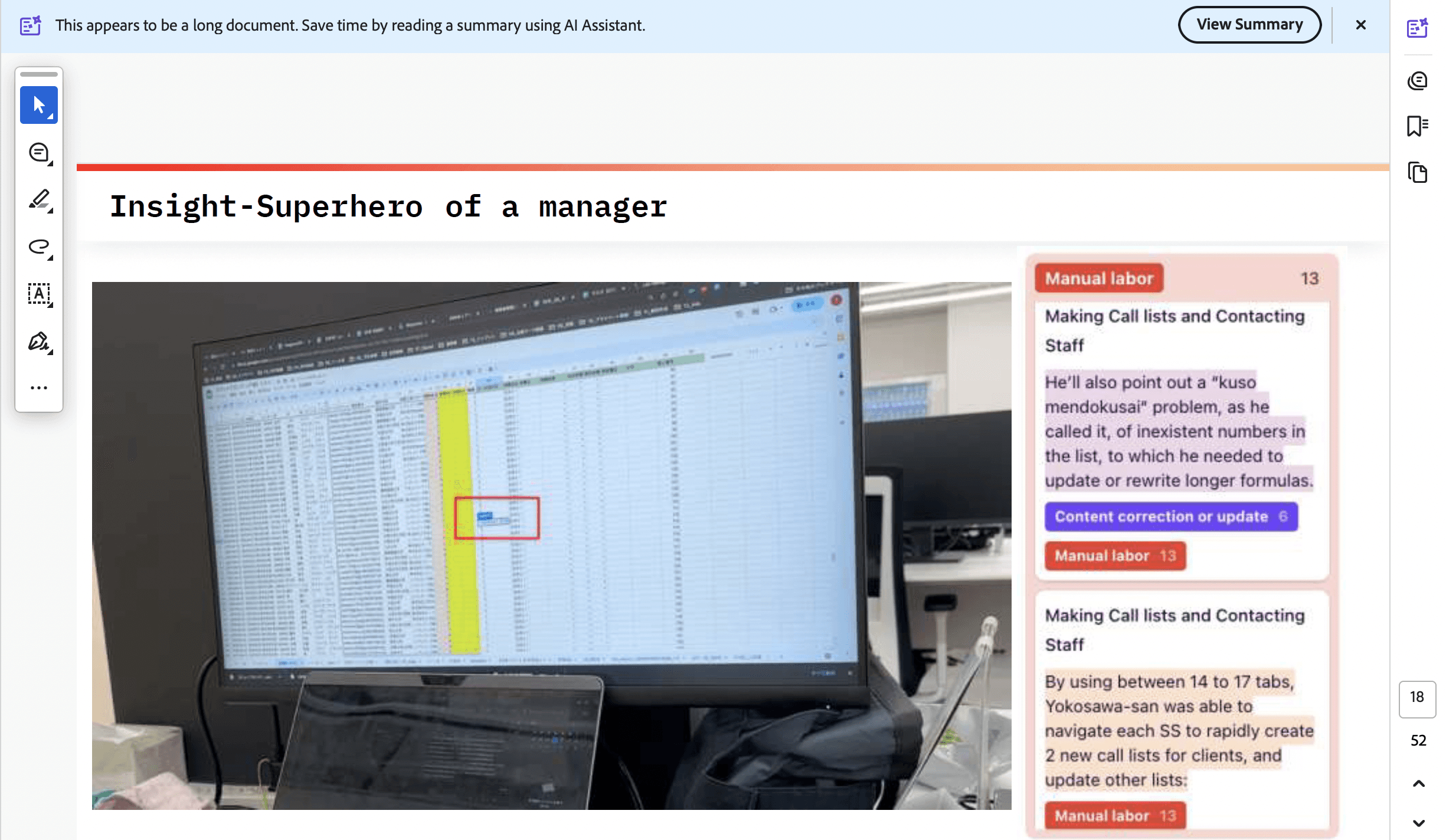
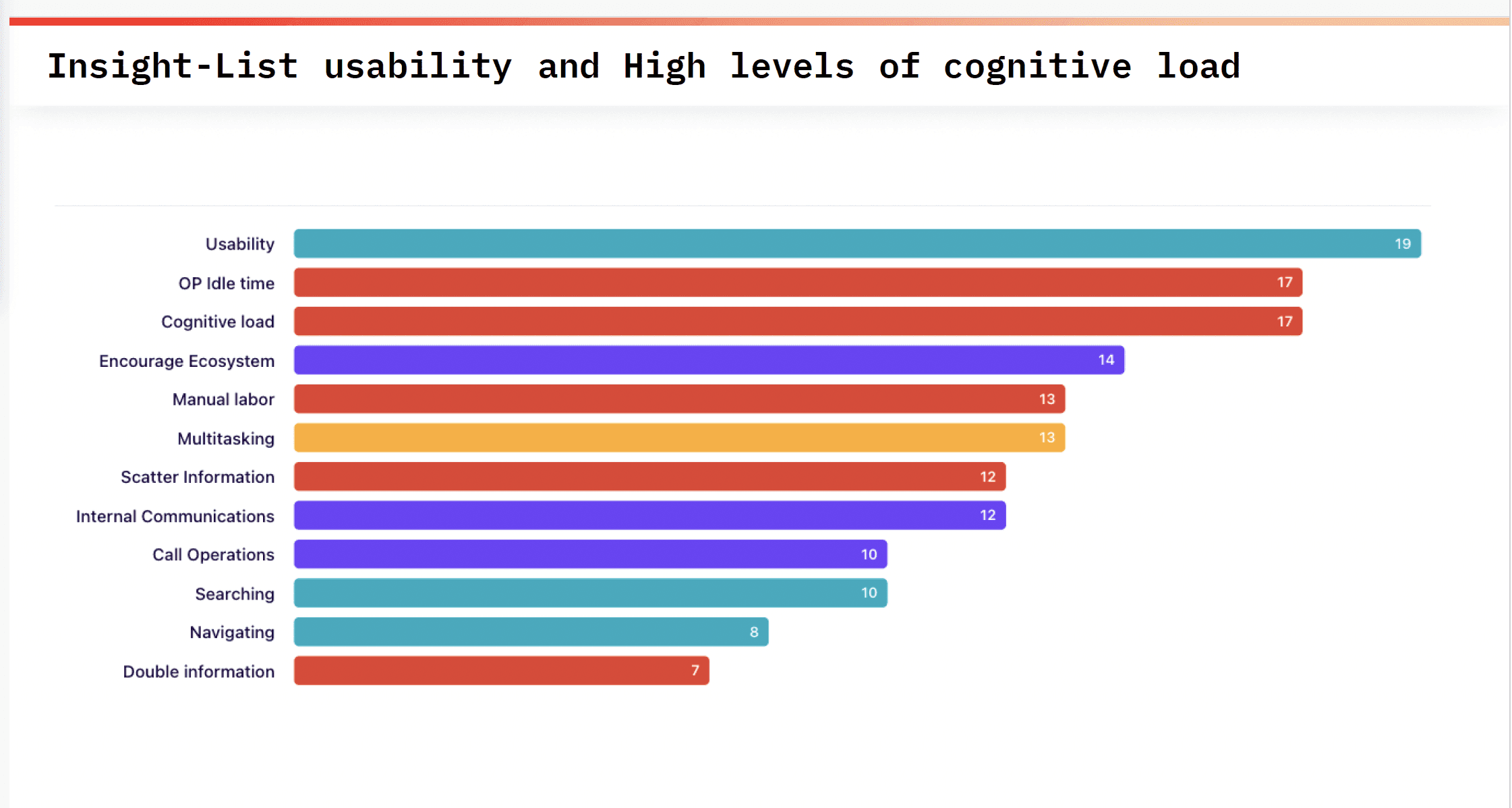
Field research at the Nagano call center produced 100 tagged pain points across two days of observation and interviews. The top three categories were usability, operator idle time, and cognitive load. Not coaching. Not AI readiness.
In 10 minutes of direct observation, one operator completed 2 calls. She spent the remaining time waiting for a list or manually correcting the spreadsheet. The research also surfaced that the existing CTI delivered errors 80% of the time during list import.
The insight was clear. You cannot build effective AI coaching on top of a workflow this broken. The staff layer had to come first.
The pivot
The business team was not happy. They wanted to scrap the project. The lead engineer proposed migrating to AWS Connect and building AI sentiment analysis on top.
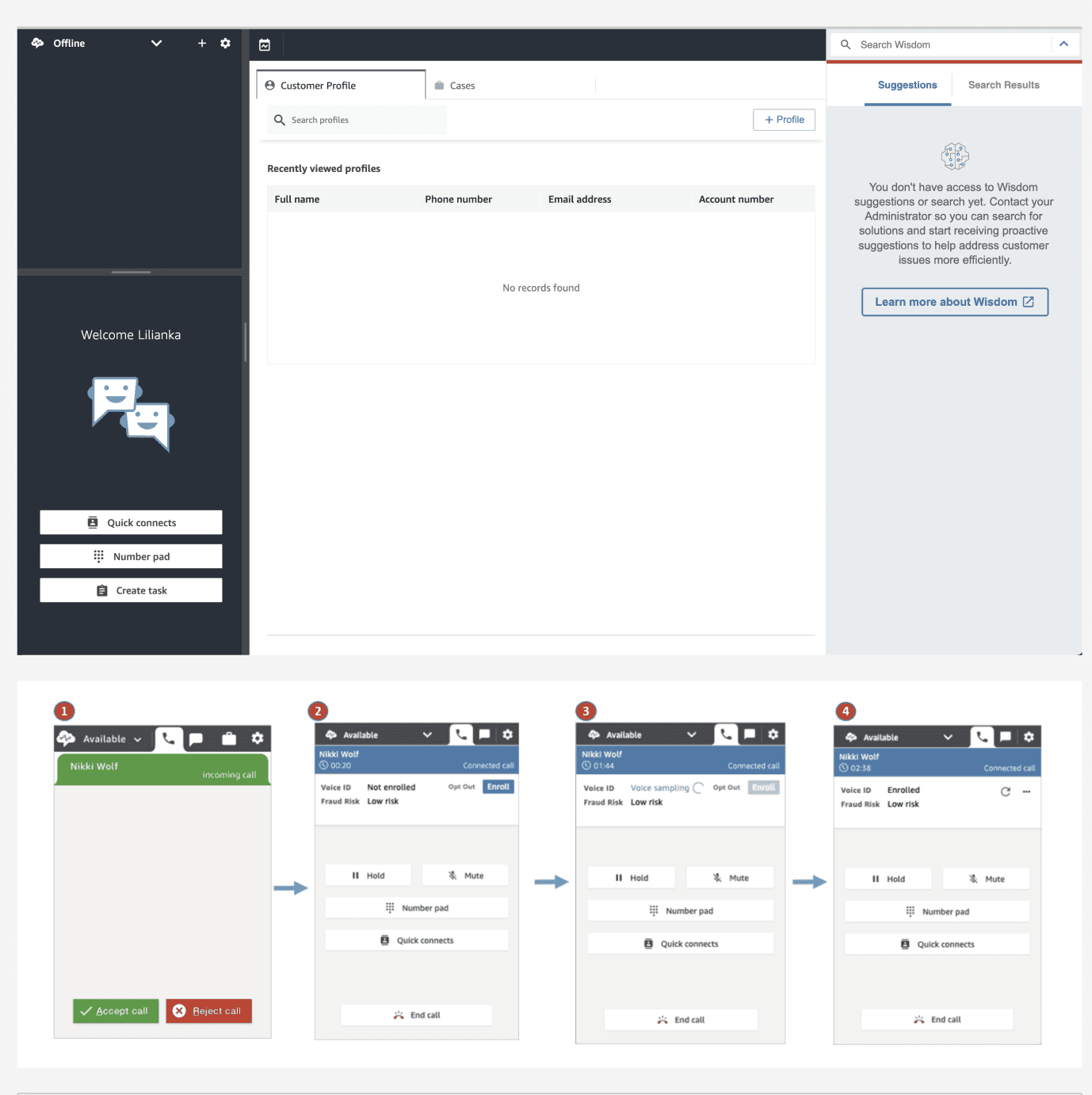
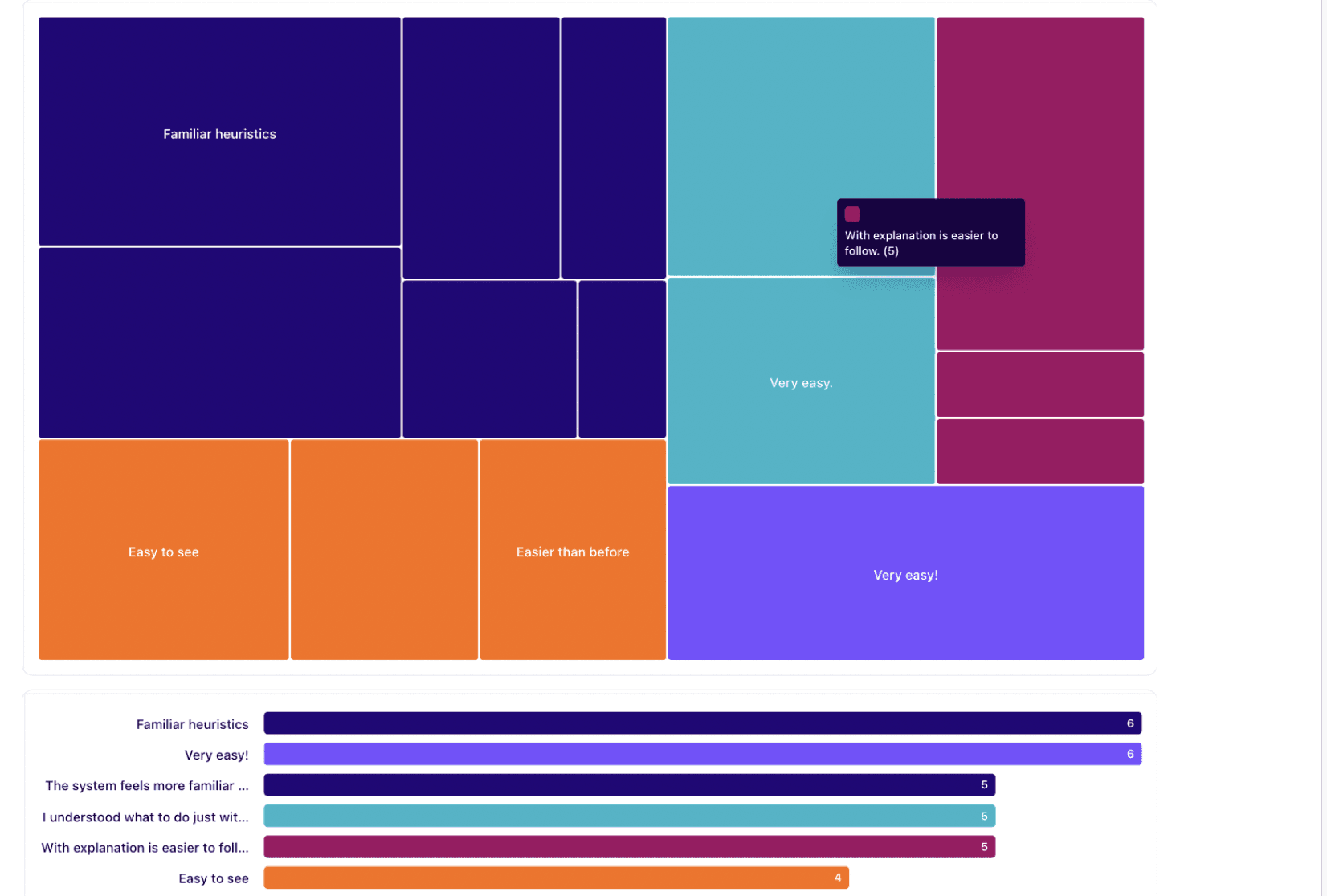
I had a bad feeling about AWS Connect for this user base, but I didn't have proof yet. So I learned Protopie, built a high-fidelity simulation of the AWS interface, and ran a usability test with 7 operators. The results were overwhelming. Error rate: 87%. 150 miss-clicks across 4 tasks. Users told me directly that cancel buttons should not be blue, that they needed something that simply said "call," that the language of the interface made no sense for what they were actually trying to do.
I already had an alternative prototype ready. One the team had previously rejected. I presented the heuristics review of AWS Connect alongside the test data, and made the case: these users don't create CRM tasks. They make calls. The design needed to match that mental model. The team gave me buy-in for a second test.
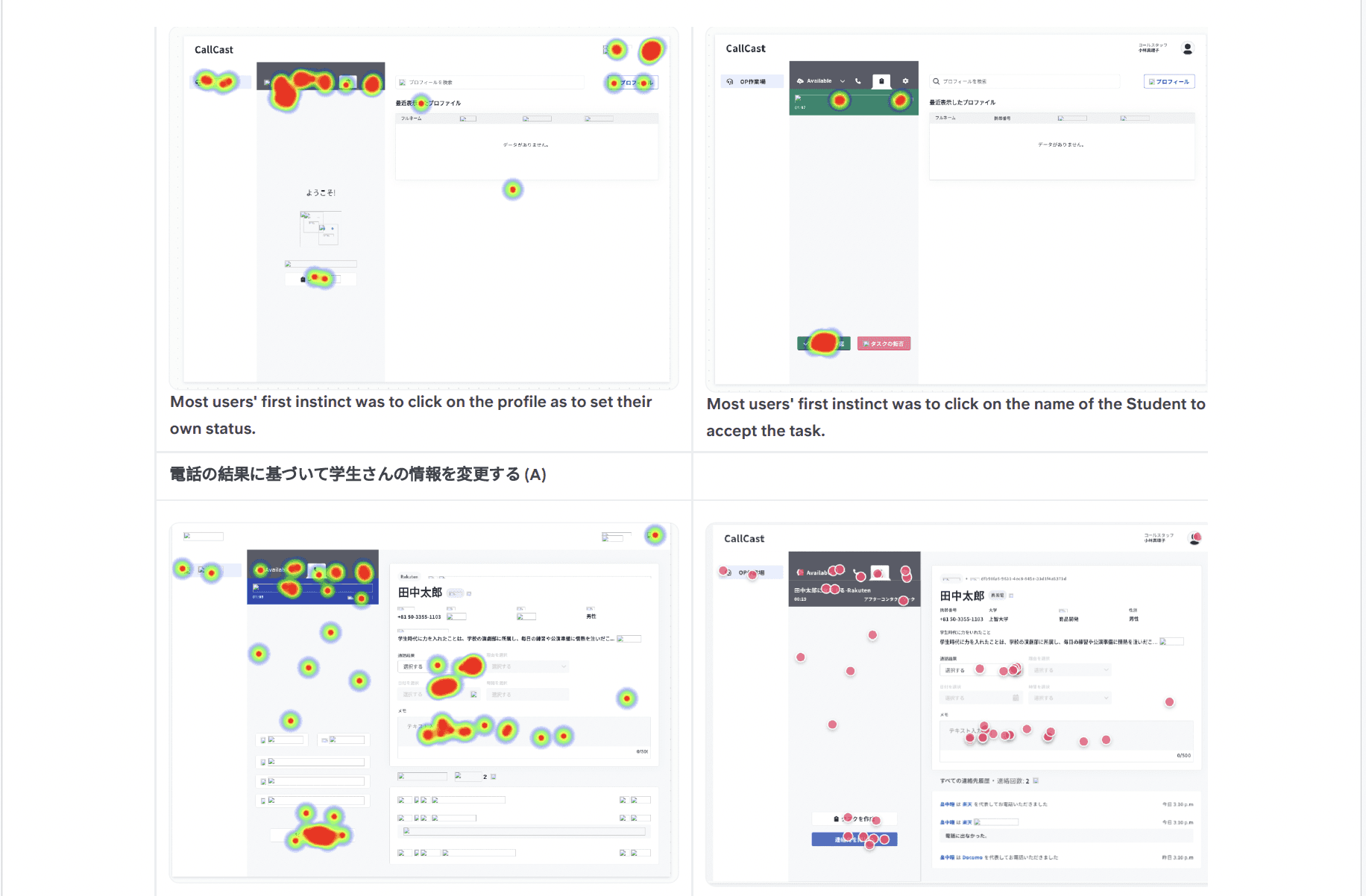
We tested it. Then we tested it again.
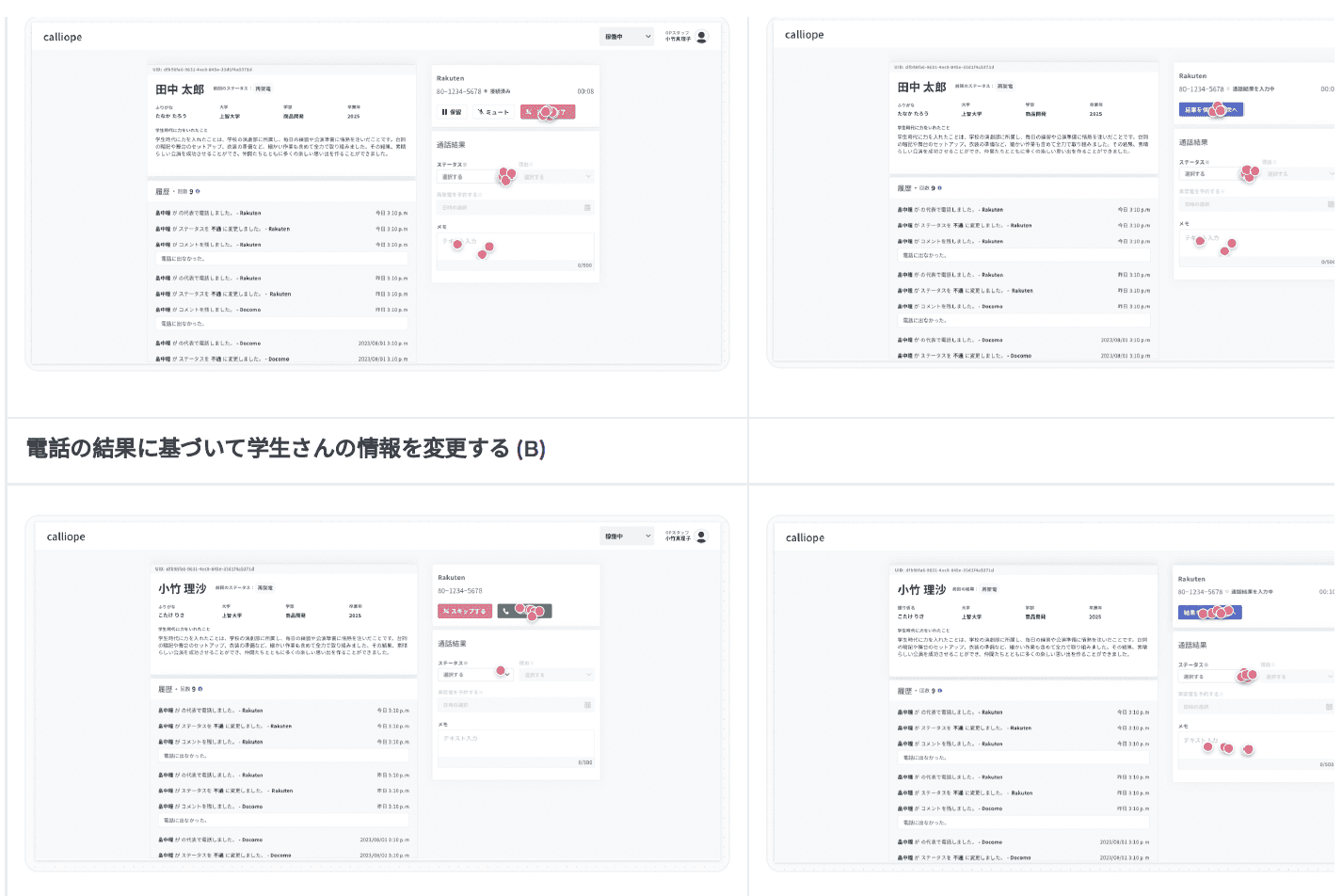
The second test ran with half the previous participants and half new ones, using the redesigned interface. Error rate dropped from 87% to 36%. Miss-clicks went from 150 to 10, a 93% reduction. Time on task dropped 41%. Users said it was familiar, easy, and better than the system they had been using. One operator told me it was so easy she didn't want to stop.
The design
43 design pages. 6 major iterations. Two distinct personas with completely different workflows, information needs, and mental models.
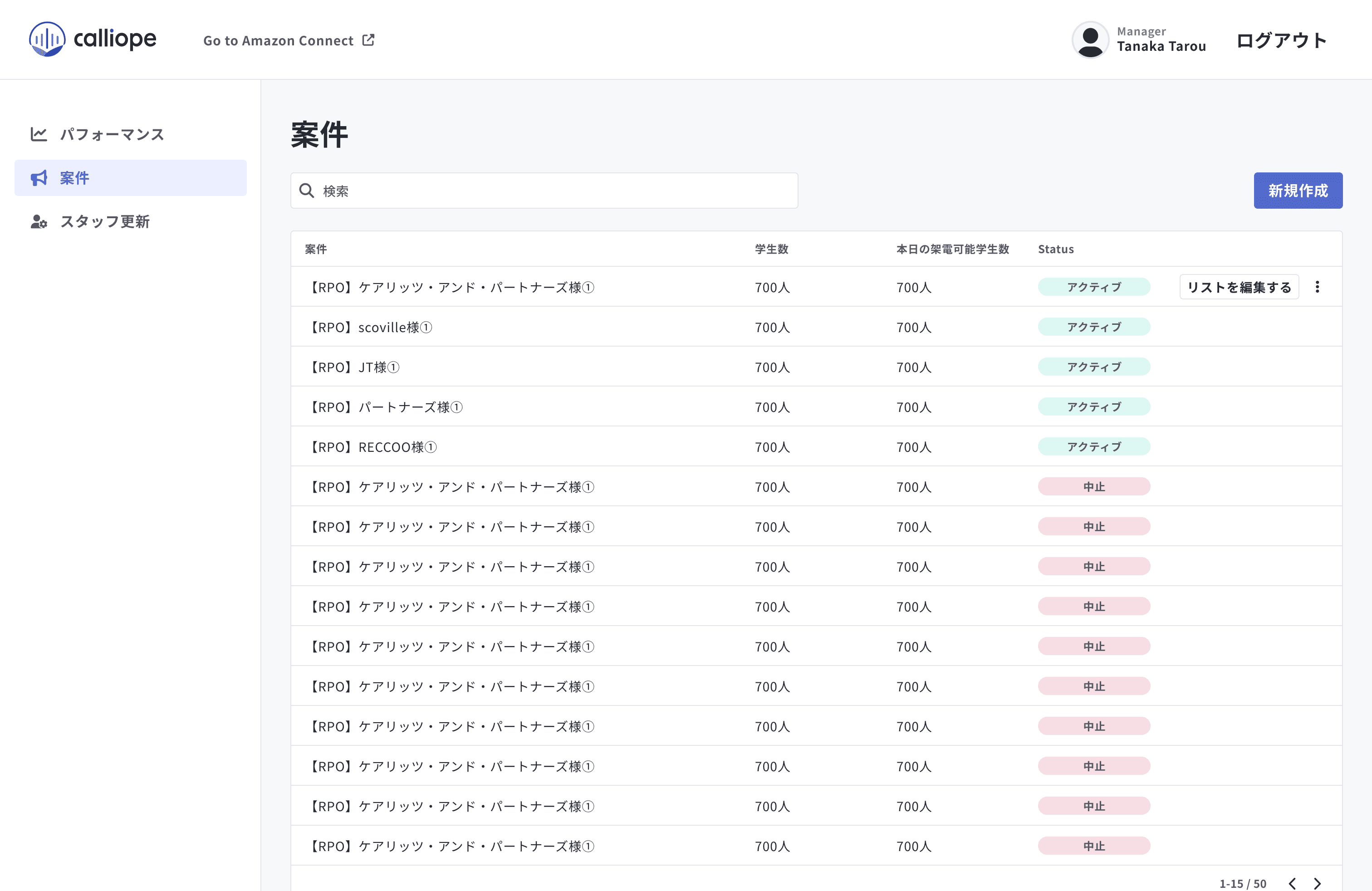
For the Call Center Manager: campaign dashboards, call list management, CMS smart filtering, performance monitoring, and AI summarization components. For the Call Center Staff: a streamlined call interface where the only job is to call, log the result, and move to the next student.
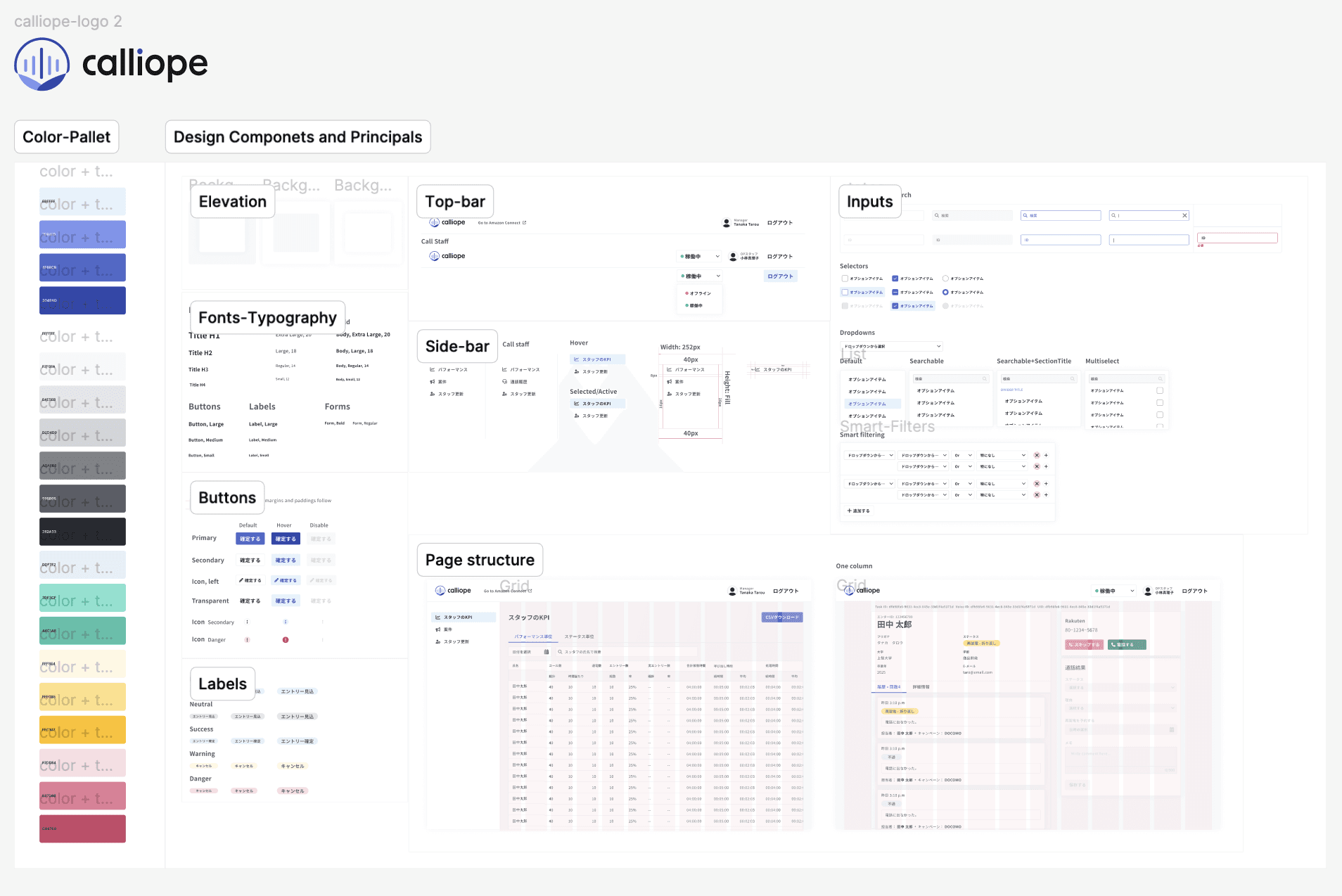
The design system covered color tokens, typography, form inputs, dropdowns, smart filtering components, and dual navigation structures for both user types.
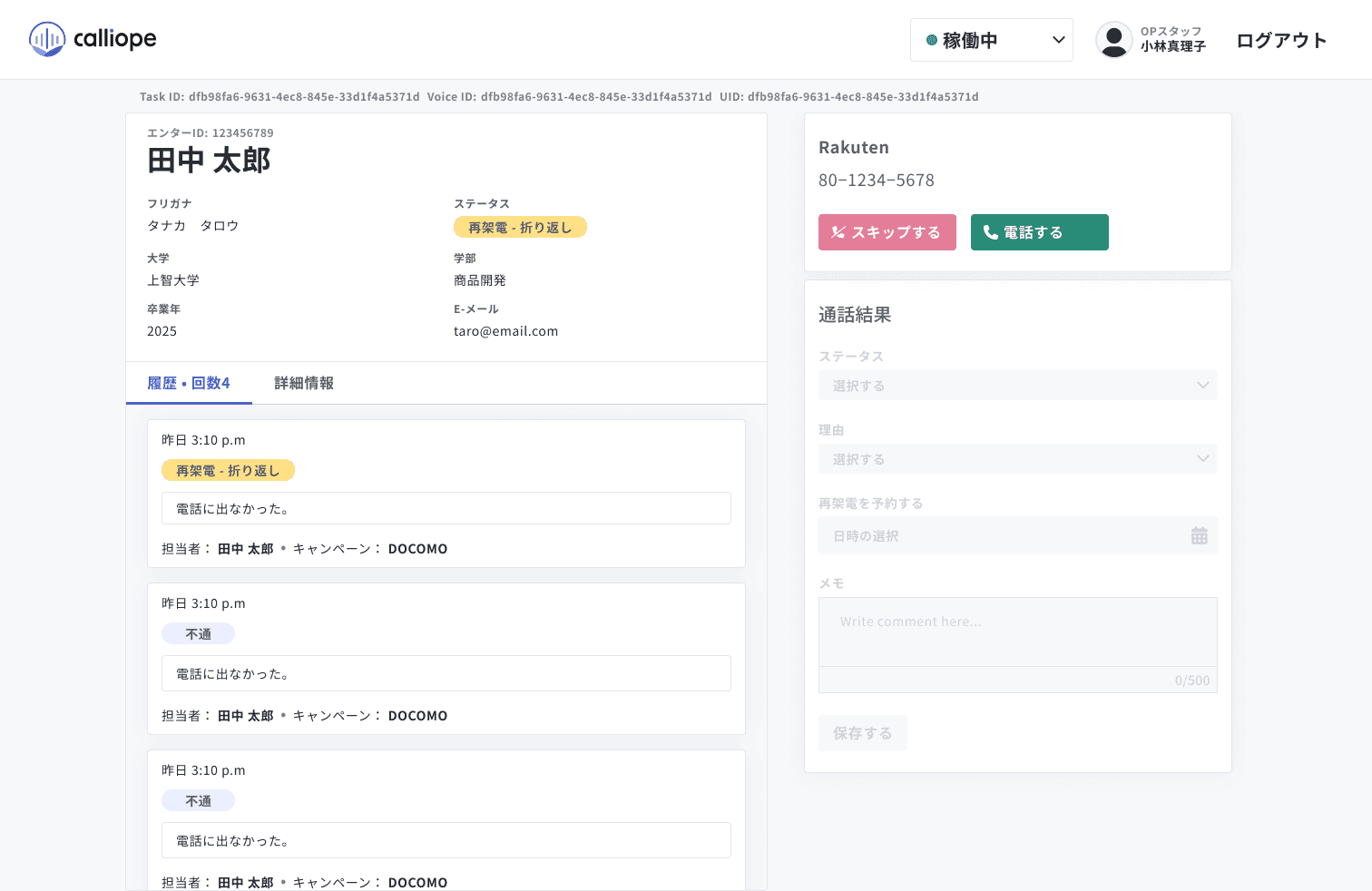
The staff ran out of work.
The staff ran out of tasks to do!
Efficiency tripled before a single AI feature shipped. The measurement was direct: we tracked how much work three staff members could complete before and after the new system launched.
When Calliope rolled out broadly, the operators burned through their queues faster than the business could refill them. The bottleneck had always appeared to be on the staff side. It wasn't.
The call center grew from 50 to 90 staff in three months. Two new managers were hired. A neighboring call center heard about it. The product was acquired for 2 billion yen. The project closed. The right design decision created more value than any AI feature ever could have.
This was the most complex problem I have tackled. Navigating two user types with completely different backgrounds, ages, and responsibilities made focus hard to maintain. I am proud I pushed for a functional, value-driven product first rather than chasing AI features. The engineers I worked with were passionate and talented, and that made it easier to show the value of UX and systems design in a room that wasn't always convinced. The staff thanked us when the project closed and said they would miss us. That is the part I keep coming back to.
I would revisit the visual design with more time to give it the polish it deserves. I would also explore how the AI coaching layer could evolve from reactive performance analysis into predictive coaching, identifying at-risk agents before problems surface rather than after.